So, about that big change…
Think of Hey, Facilitator as your collaboration subject matter expert. We’re here to create the space for people affected by organizational change to participate in shaping it.
From advising leaders on how to bring people together, to making systems visible, to exploring and testing what comes next, we help organizations move forward through participation. Where your work takes place is where our work happens, in-person, hybrid, or remote.
Check out some ways we help navigate the thinking around change:
Office Hours
Want facilitation advice while shaping your next session? We’ll guide you on designing for engaging participation.

Hourly: 1-hour min, packaged hours available
Systems Uncovered
Need to find gaps and opportunities in your workflows? We’ll help make the invisible visible, together.

Daily: Full / half-day rates, or 3-day package
Possibility Zone
Want to explore, prototype, and test something new? We love helping teams discover what’s next.

Weekly: 4-day & 5-day packages, plus multi-week
✨ PS: We’re also happy to design a tailored experience that fits your team’s unique need.
“By the end of the day, our leadership group walked away inspired, energized, and positive about the direction.”
— Executive Stakeholder, Horizon House, Leadership Strategy Workshop
A few orgs we’ve collaborated with recently:

Leadership Strategy
Designed and facilitated a full-day OKR workshop for 27 leaders across 20 departments, turning 2026 organizational priorities into shared initiative proposals through cross-functional collaboration.

Owners Alignment
Facilitated full-day session during an ownership and operating-model transition, helping leadership surface operational friction, align on ways of working, and create shared direction for how the business moves forward.

Career Exploration
Designed an bespoke interactive Career Day activity called Would You Rather?, for grades 7–12, helping them connect the problems and interests they care about with different ways they might like to work.

Workplace Resilience
Designed and facilitated a workshop with staff and leaders to define workplace resilience, envision a more resilient 2026, and turn shared ideas into experiments the org could put into practice.

What’s it like to work together?
You bring the people, we’ll bring the participatory methods.
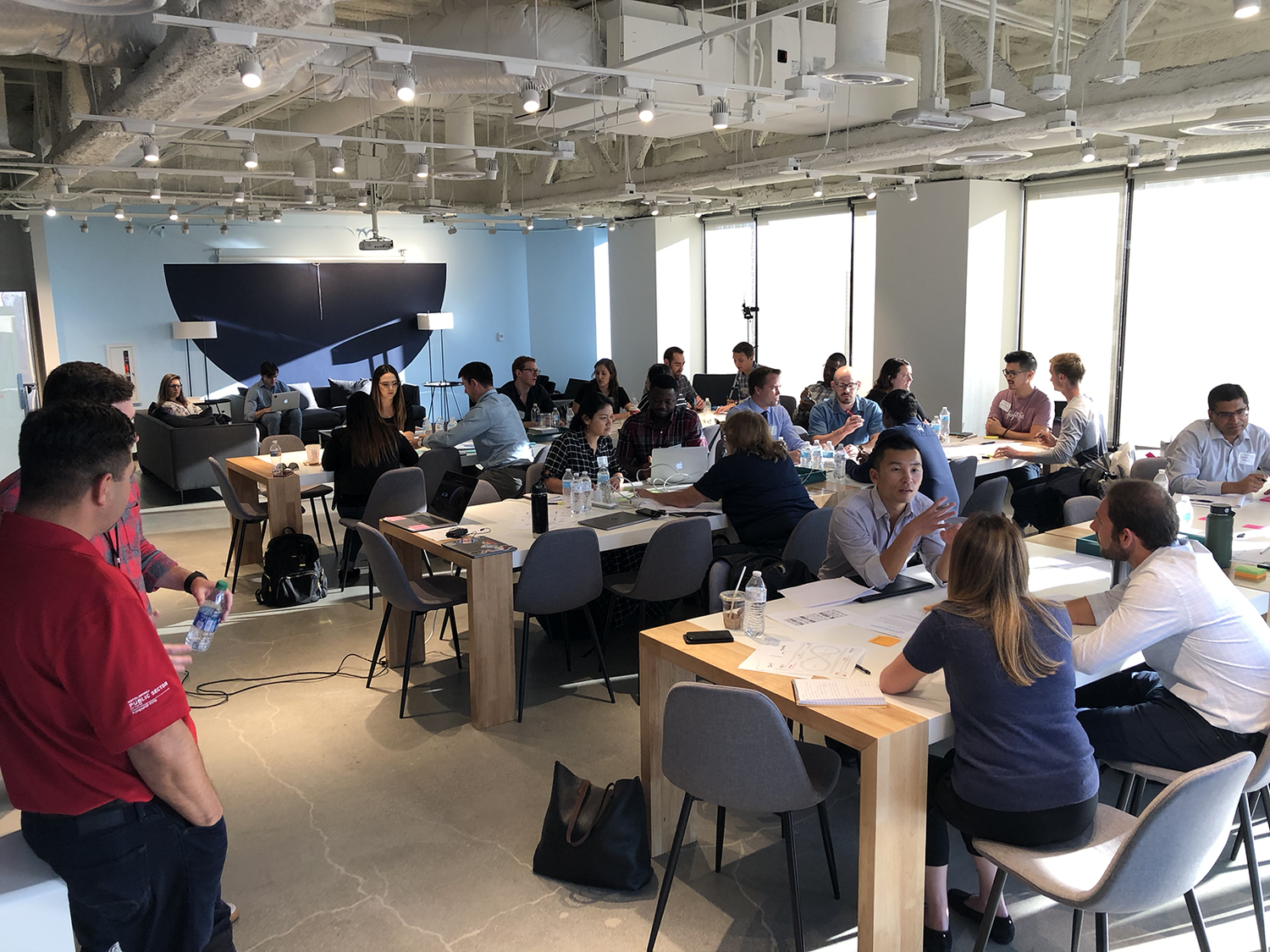
We are experts at facilitating groups from 4-30+ participants through brainstorming, workflow mapping, team building, process enablement, and more. Our objective is to take folks through divergent and convergent thinking, then align on outcomes and define a plan of action together.
We approach collaborative work like designing a journey, with linear participatory activities that build things one onto the next. A human-centered foundation puts empathy at our core, supporting an environment composed to assure all voices are heard.
This is how we like to flow:
Common questions
-
Professional facilitation is a structured way of helping groups think through something together. We design the process, guide the conversation, and help the group move toward decisions and next steps.
-
Facilitation gives people space to understand what is changing, share what they are noticing, and work through questions or concerns together. That helps change feel less like something happening to them.
-
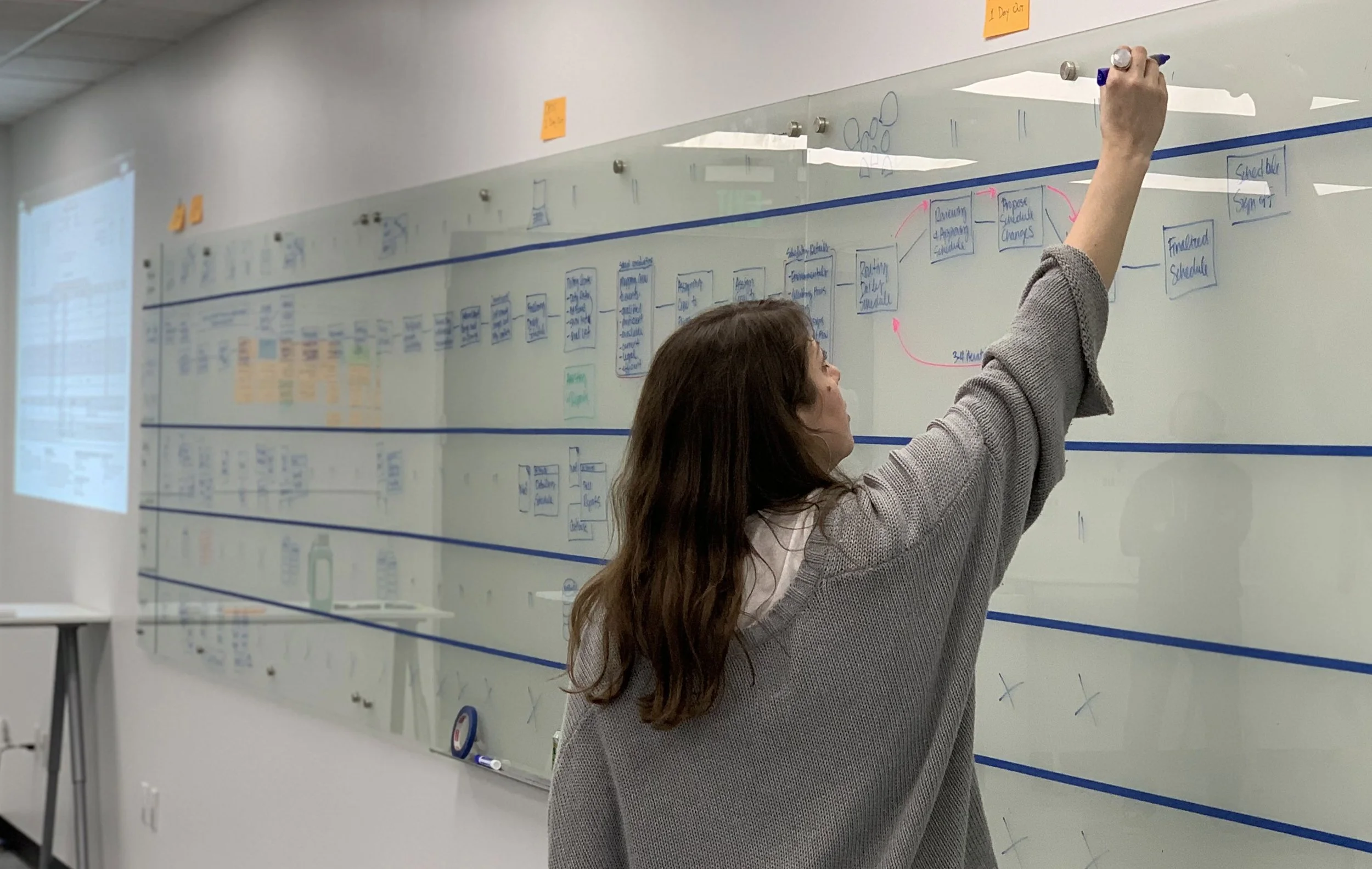
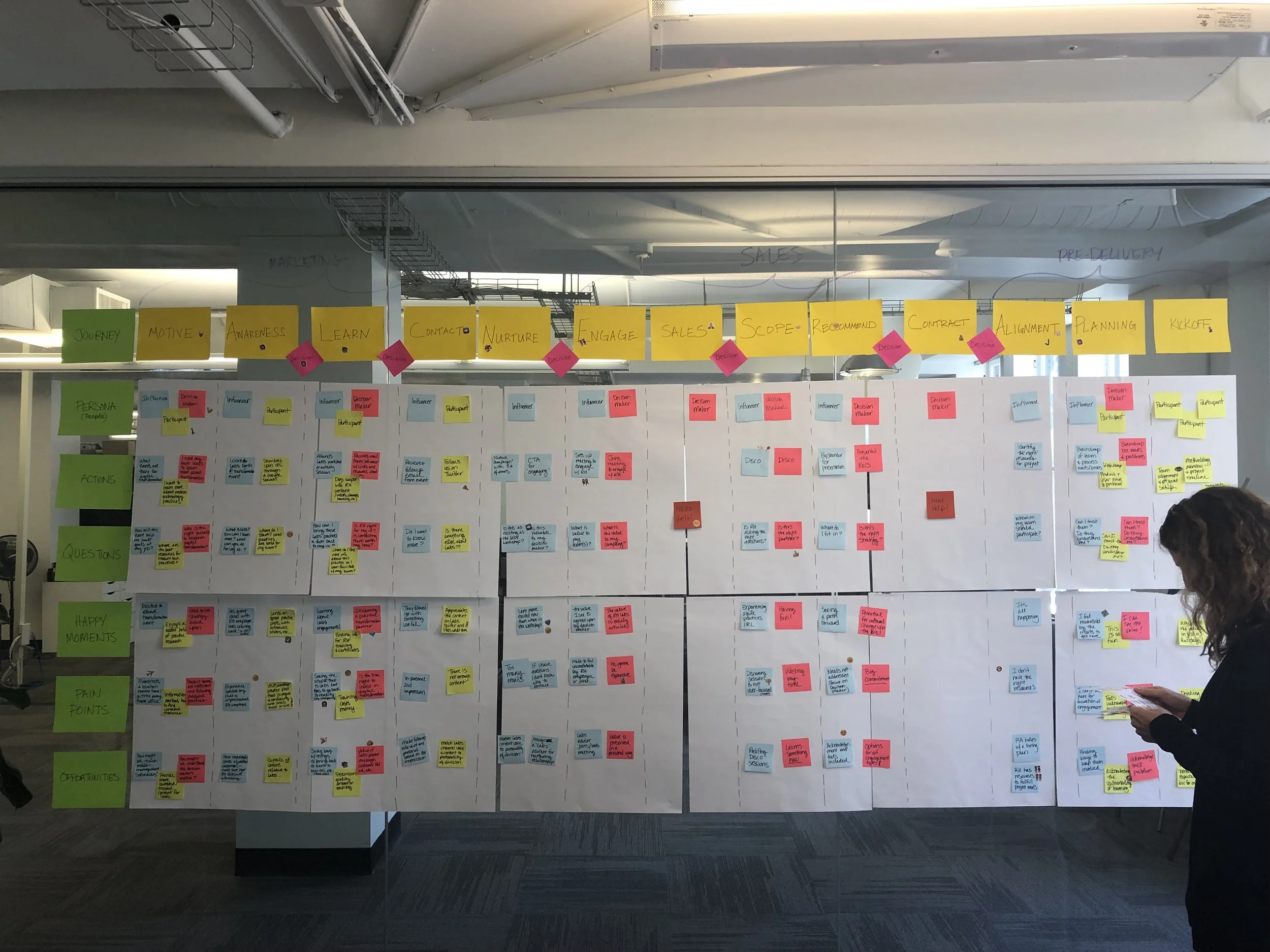
We bring people from different roles and teams into the same conversation, then make the work visible. This helps the group spot overlaps, gaps, handoffs, and places where better coordination would help.
-
We use a mix of quiet reflection, individual thinking, small-group activities, and shared discussion. That gives people different ways to contribute and keeps the conversation from being led by only a few voices.
-
We create space for people to think before the group starts debating. Ideas are often written, mapped, or shared visually first, so quieter perspectives have a fair chance to shape the conversation.
-
Co-creation means making something together, usually cross-functionally. Participants share ideas, explore options, test assumptions, and help shape the direction instead of reacting to a finished answer.
-
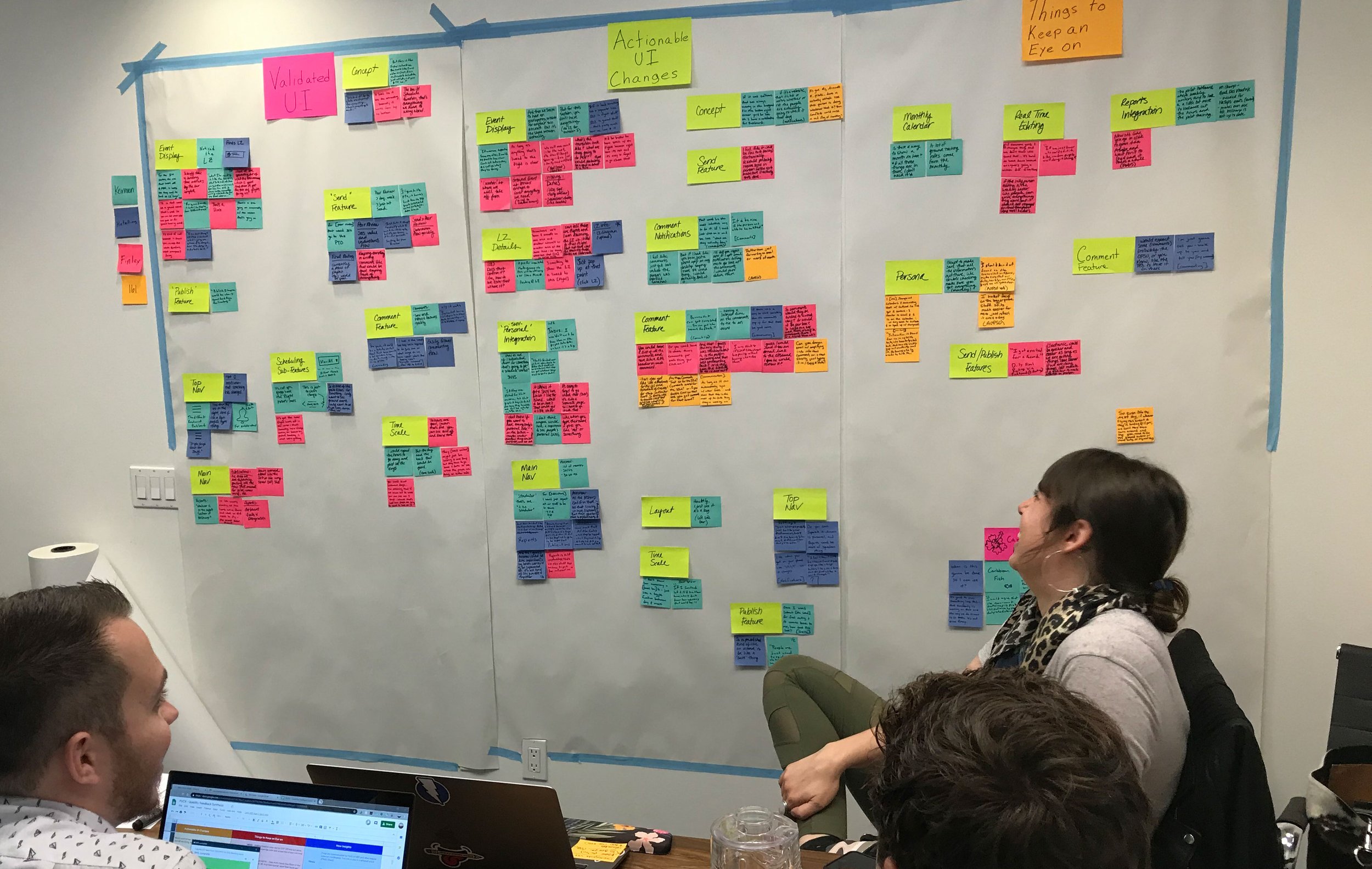
Visual thinking means putting ideas, systems, and conversations where everyone can see them. Maps, sketches, diagrams, and sticky notes help groups notice patterns, ask better questions, and build shared understanding.

Check out our collaboration style
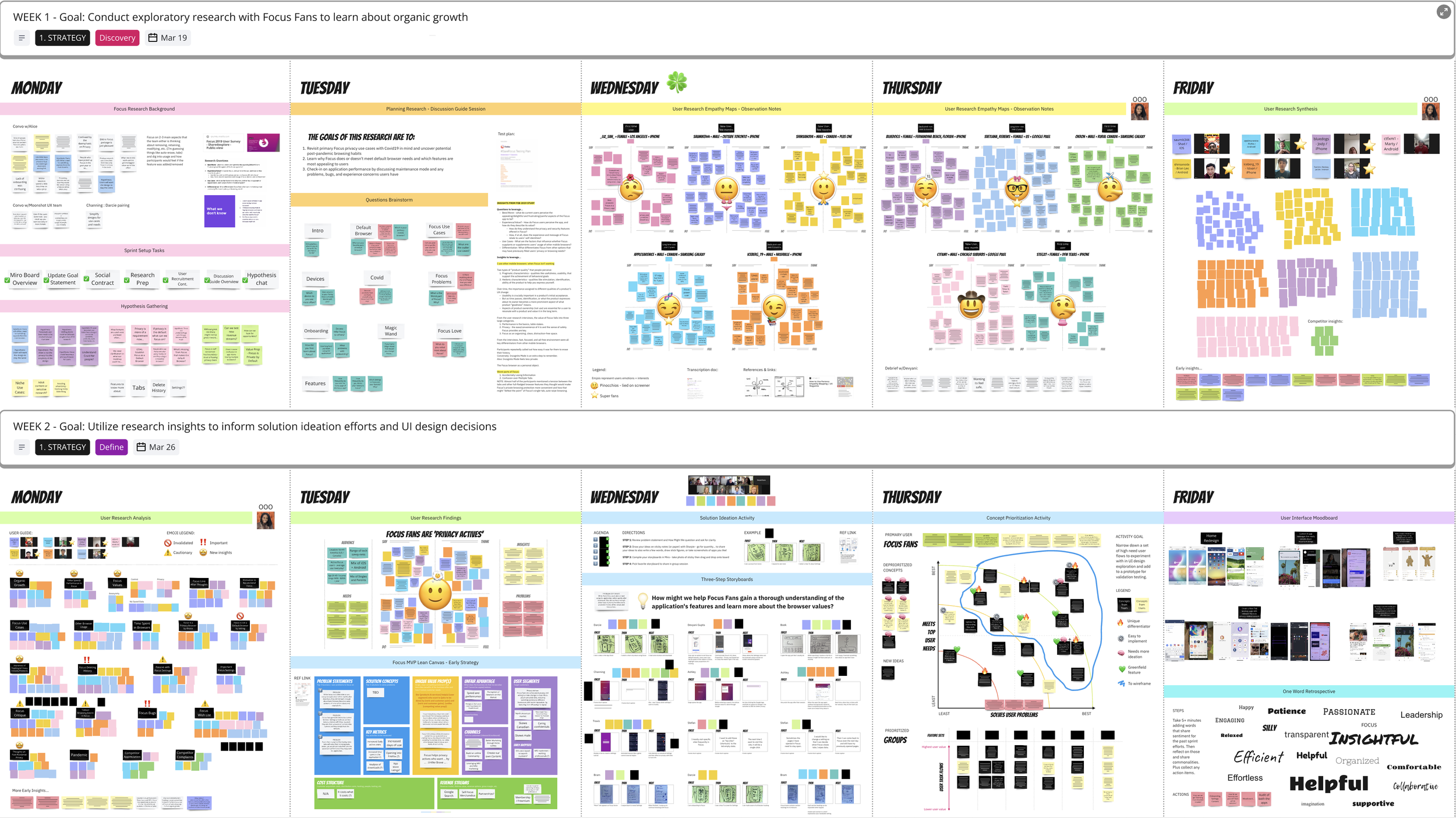
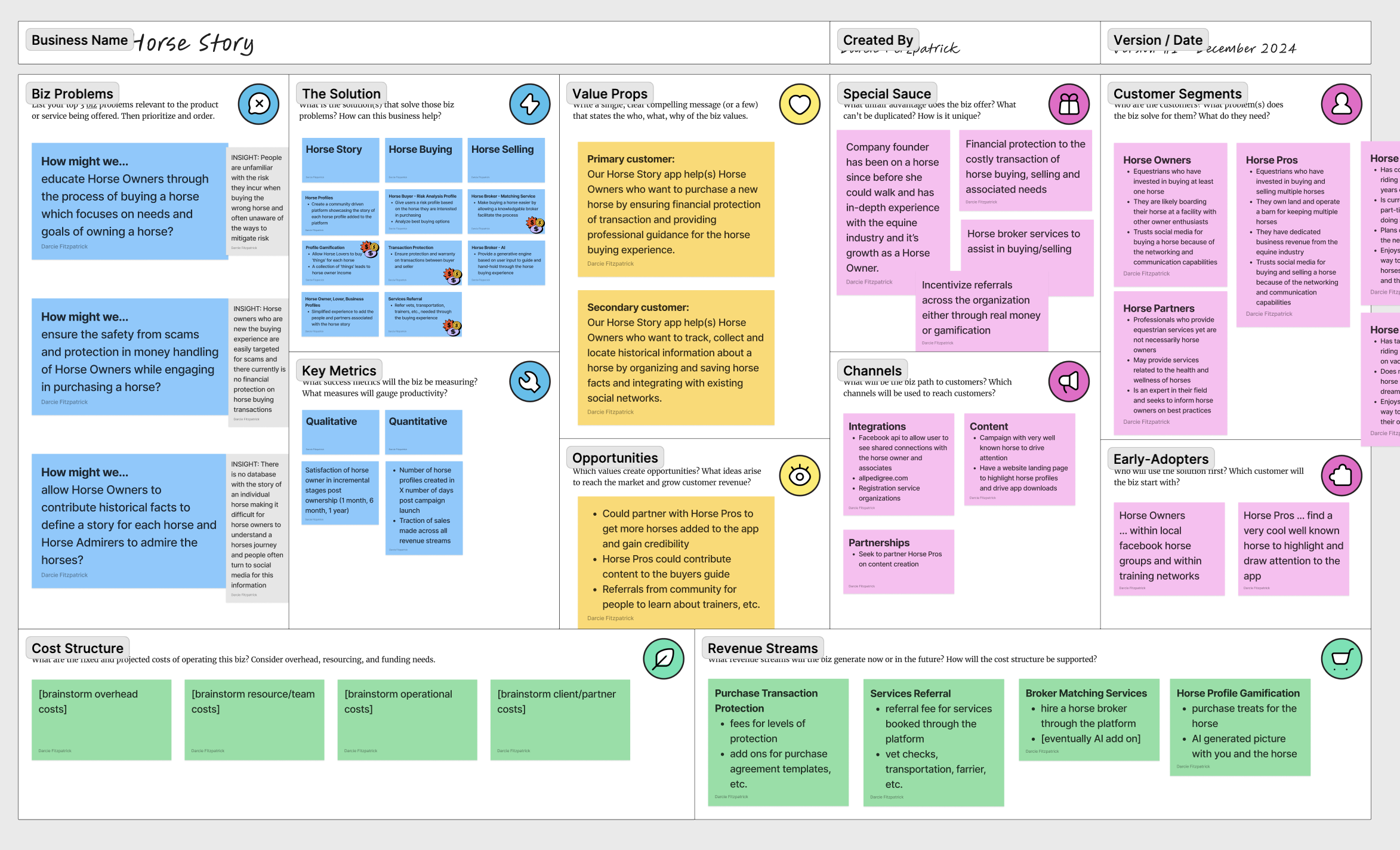
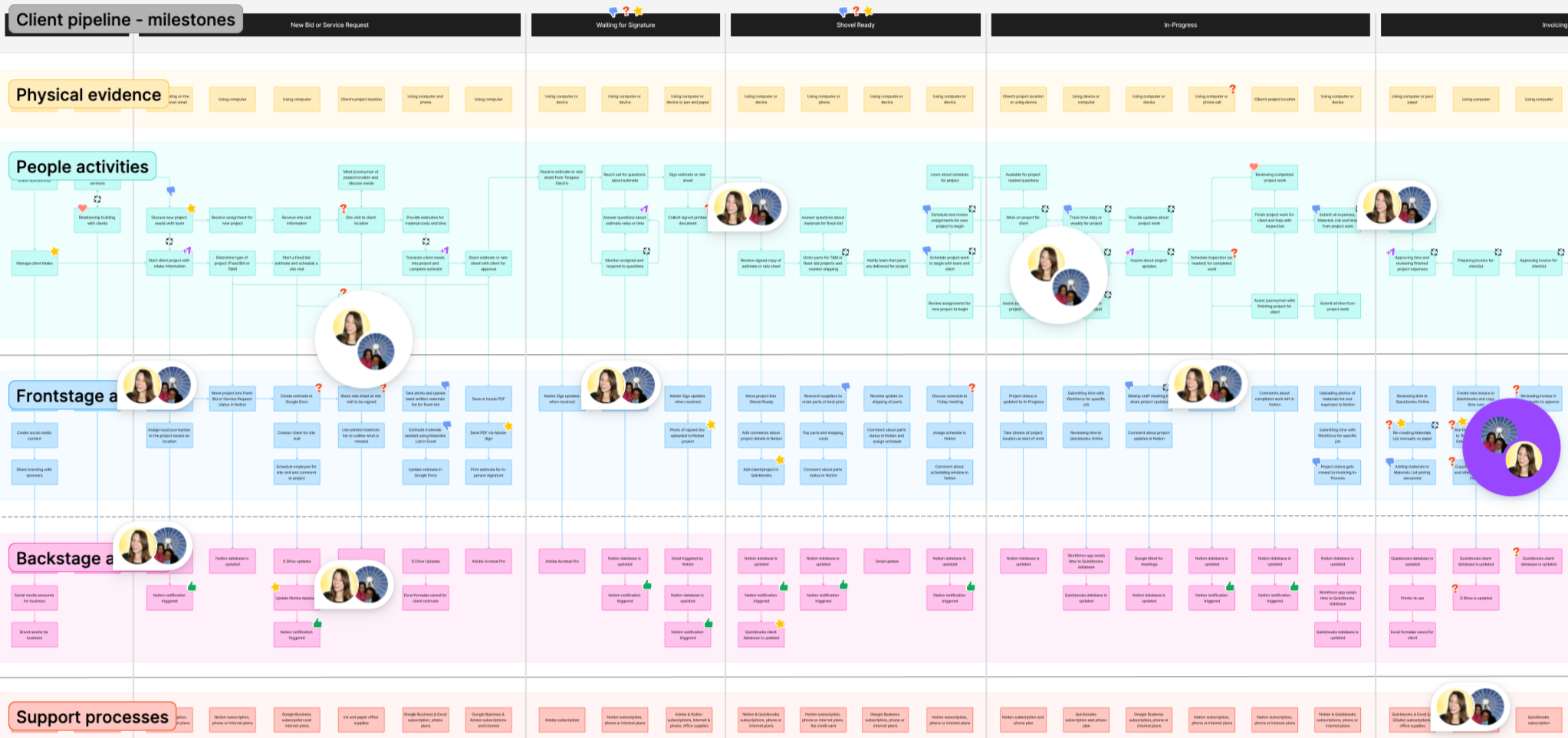
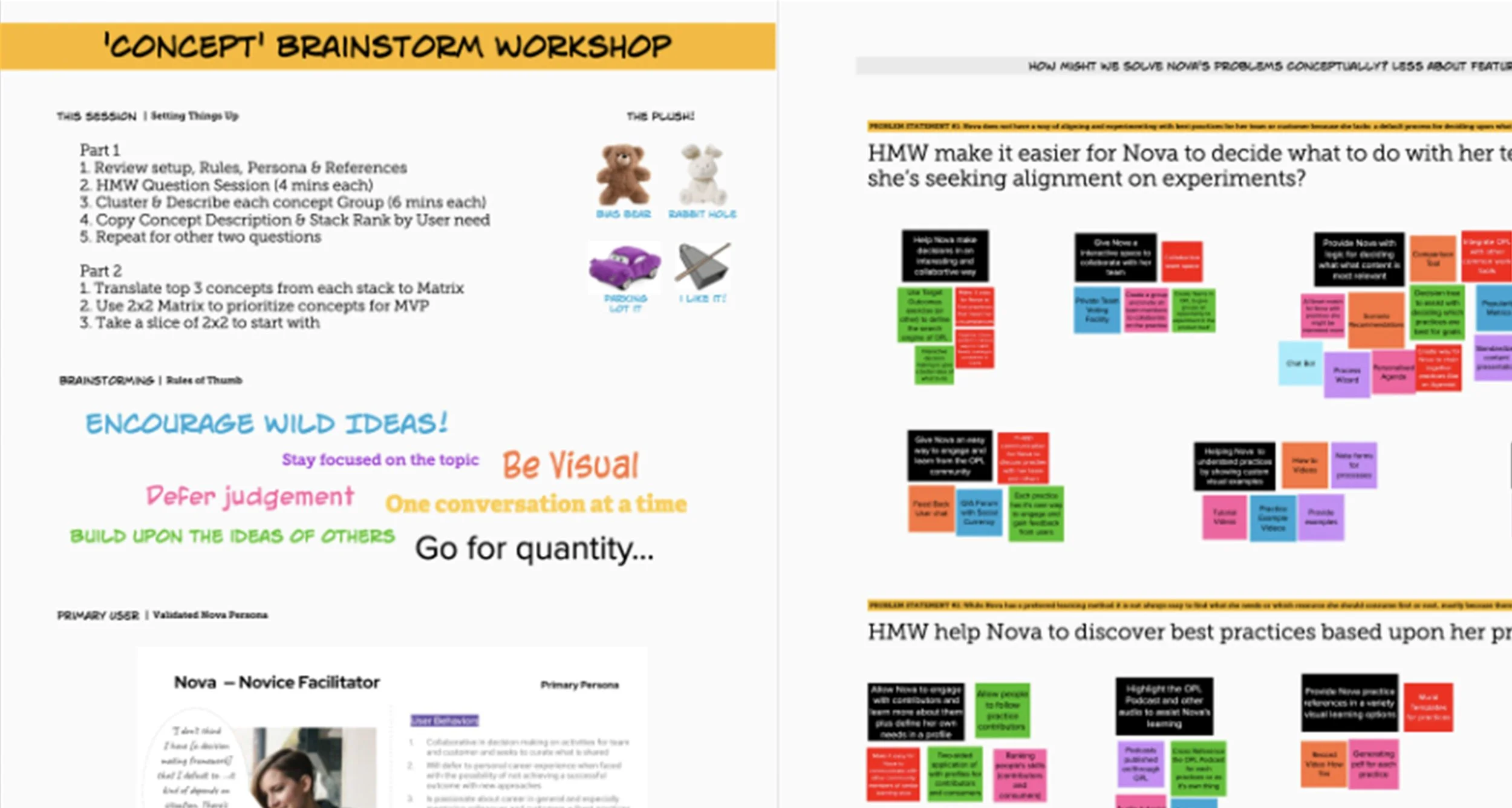
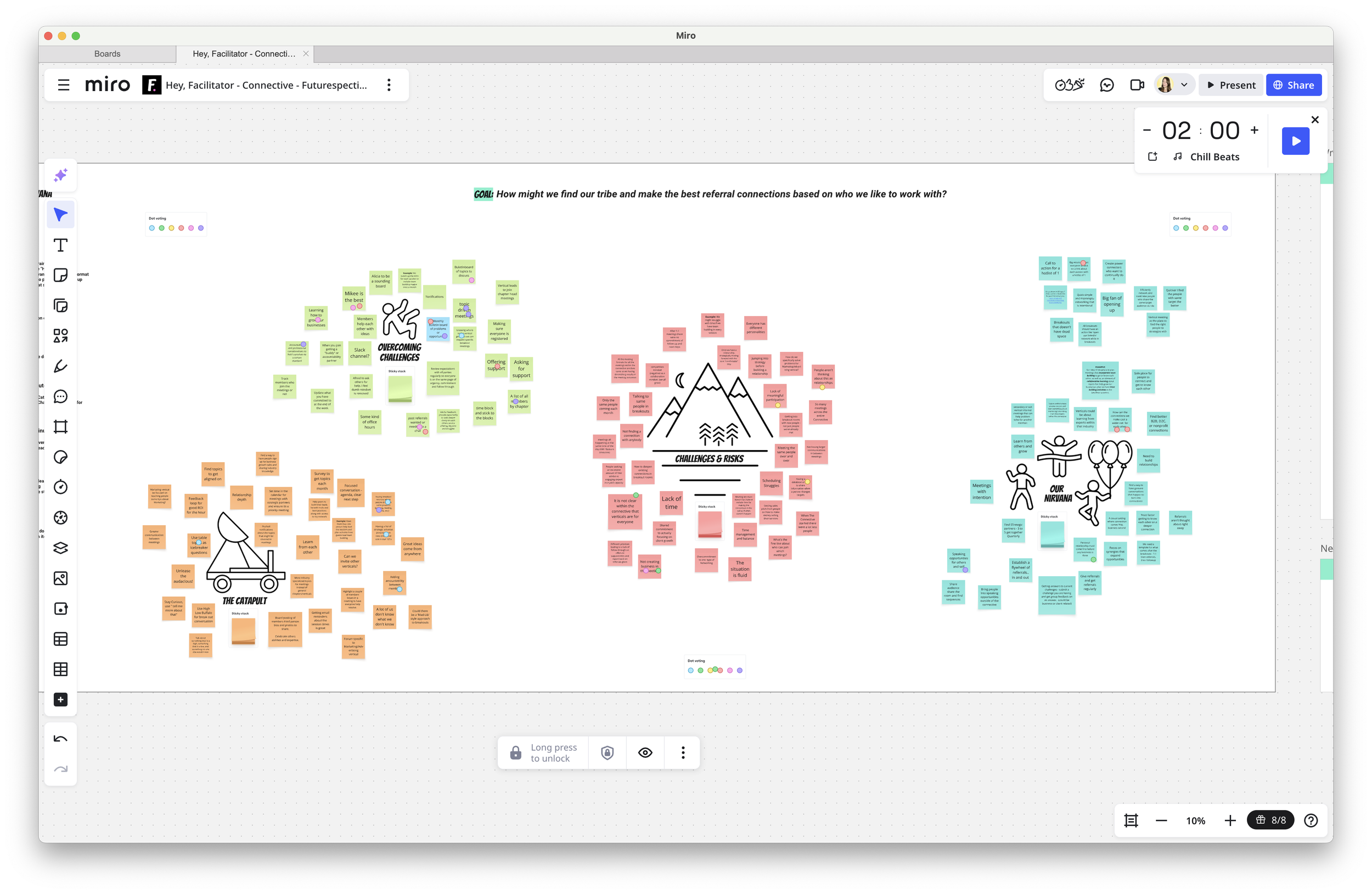
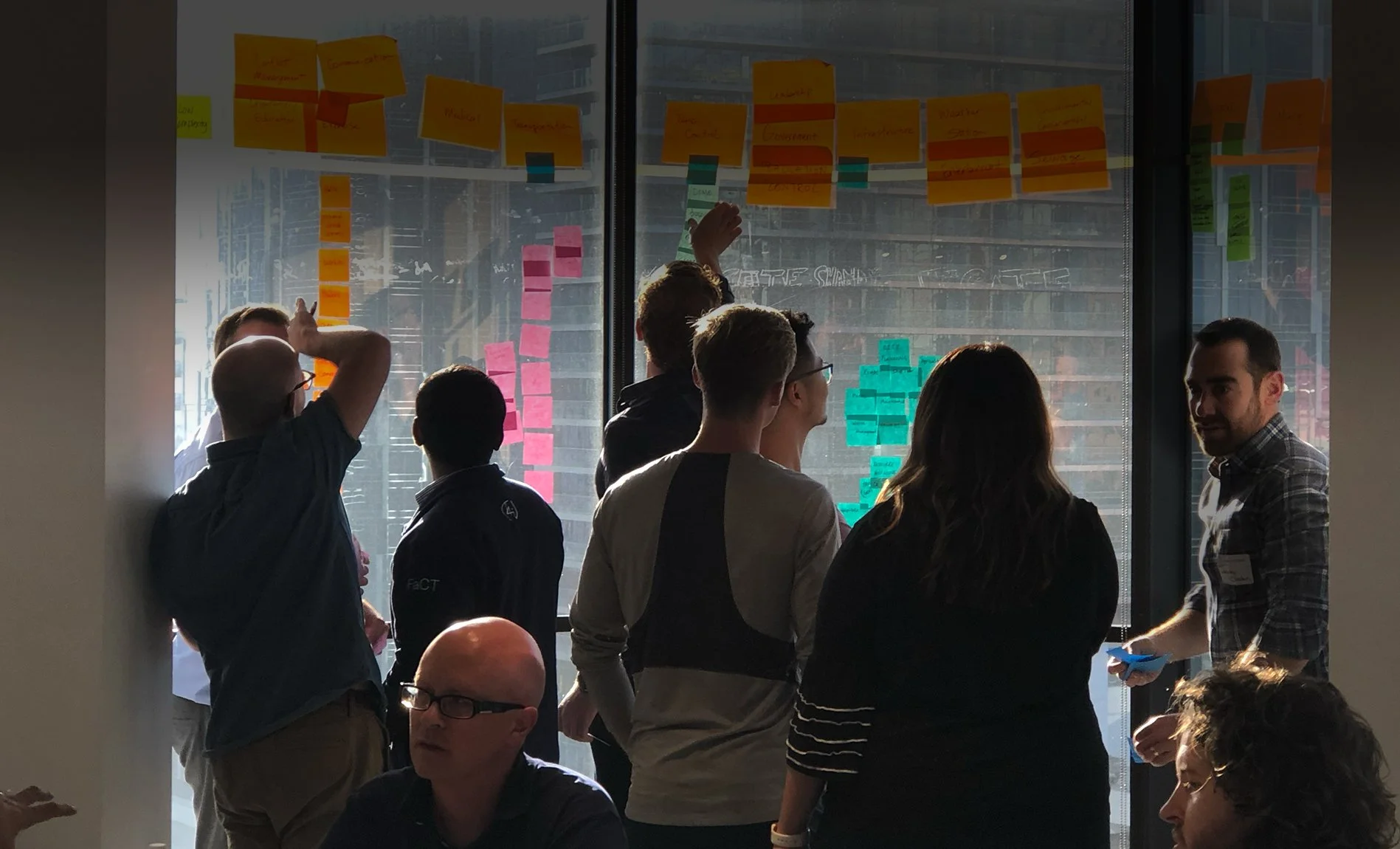
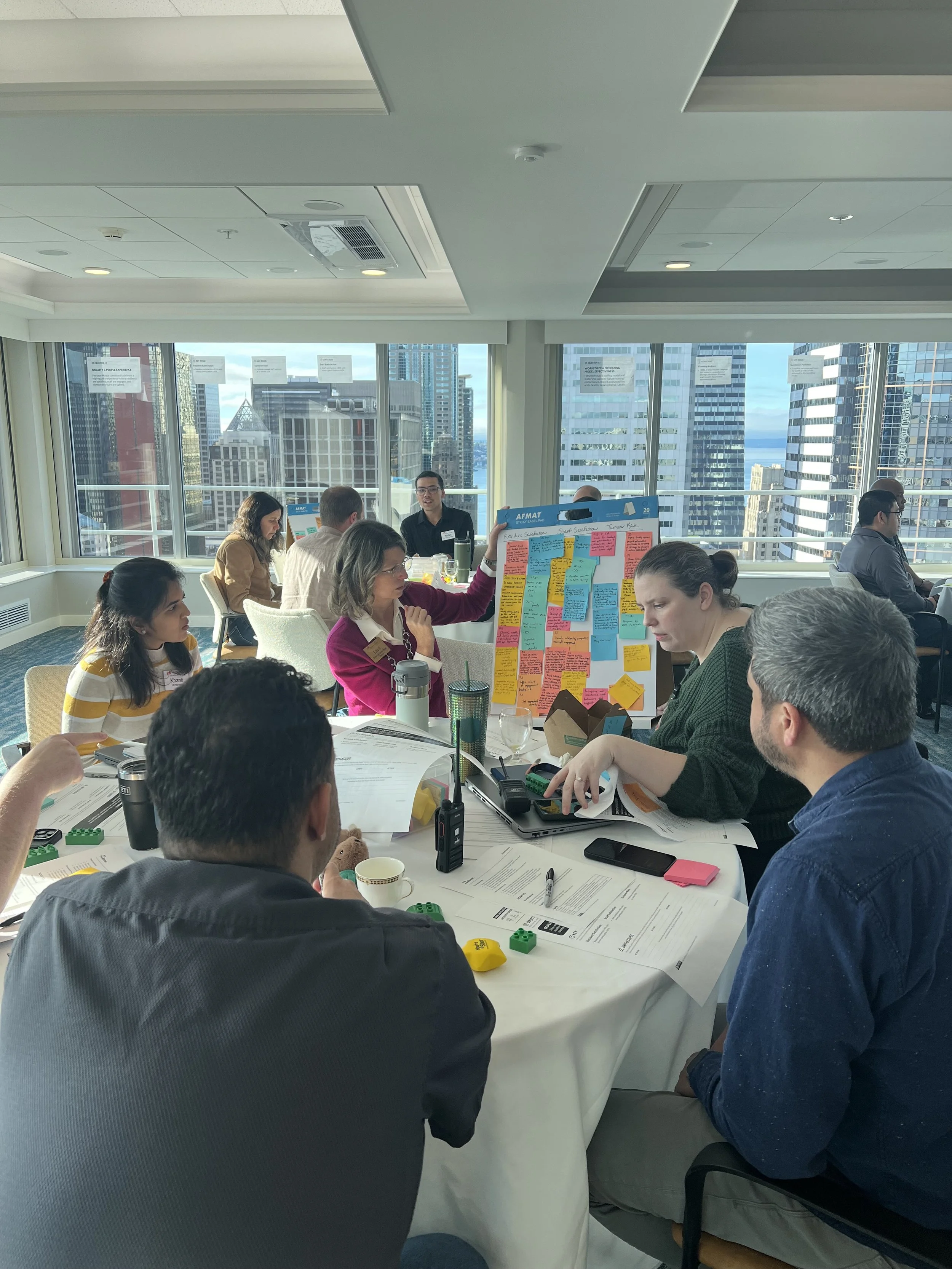
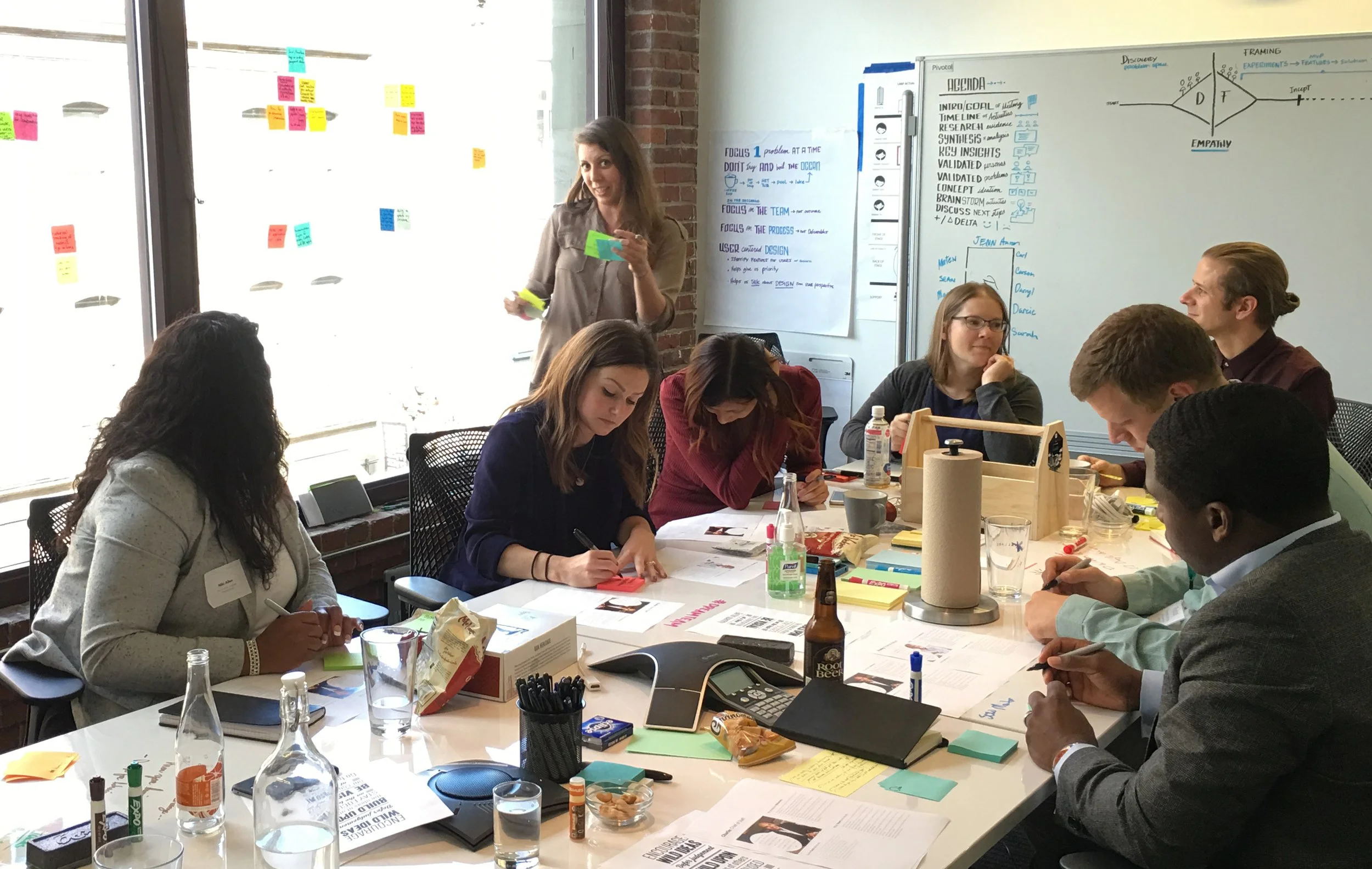
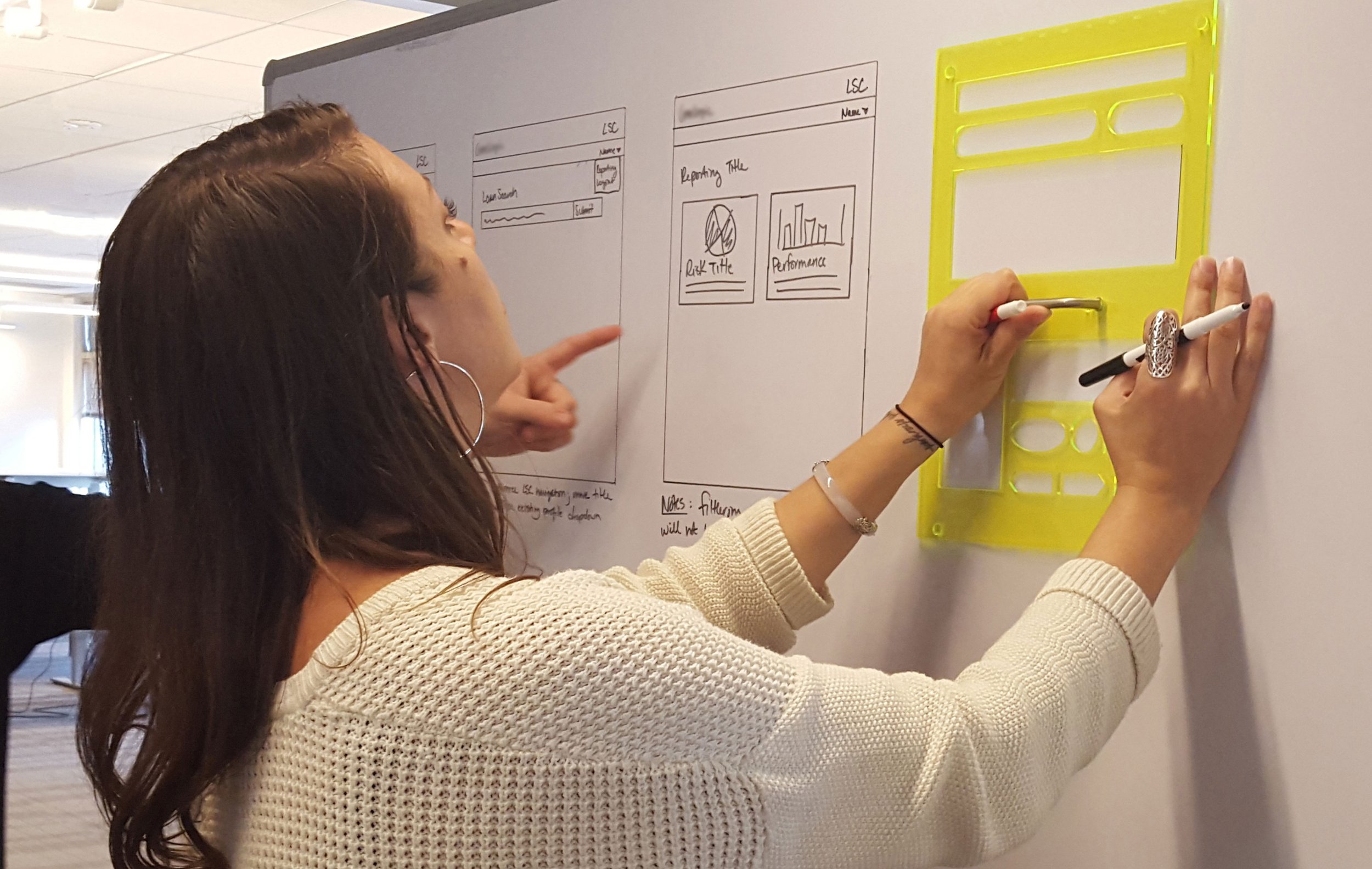
Our activities are designed with visual thinking tools and techniques in mind, often using metaphors to enforce learning, keep engagement high and ensure balanced participation.
Bonus, it helps with information radiation and is fun documentation.
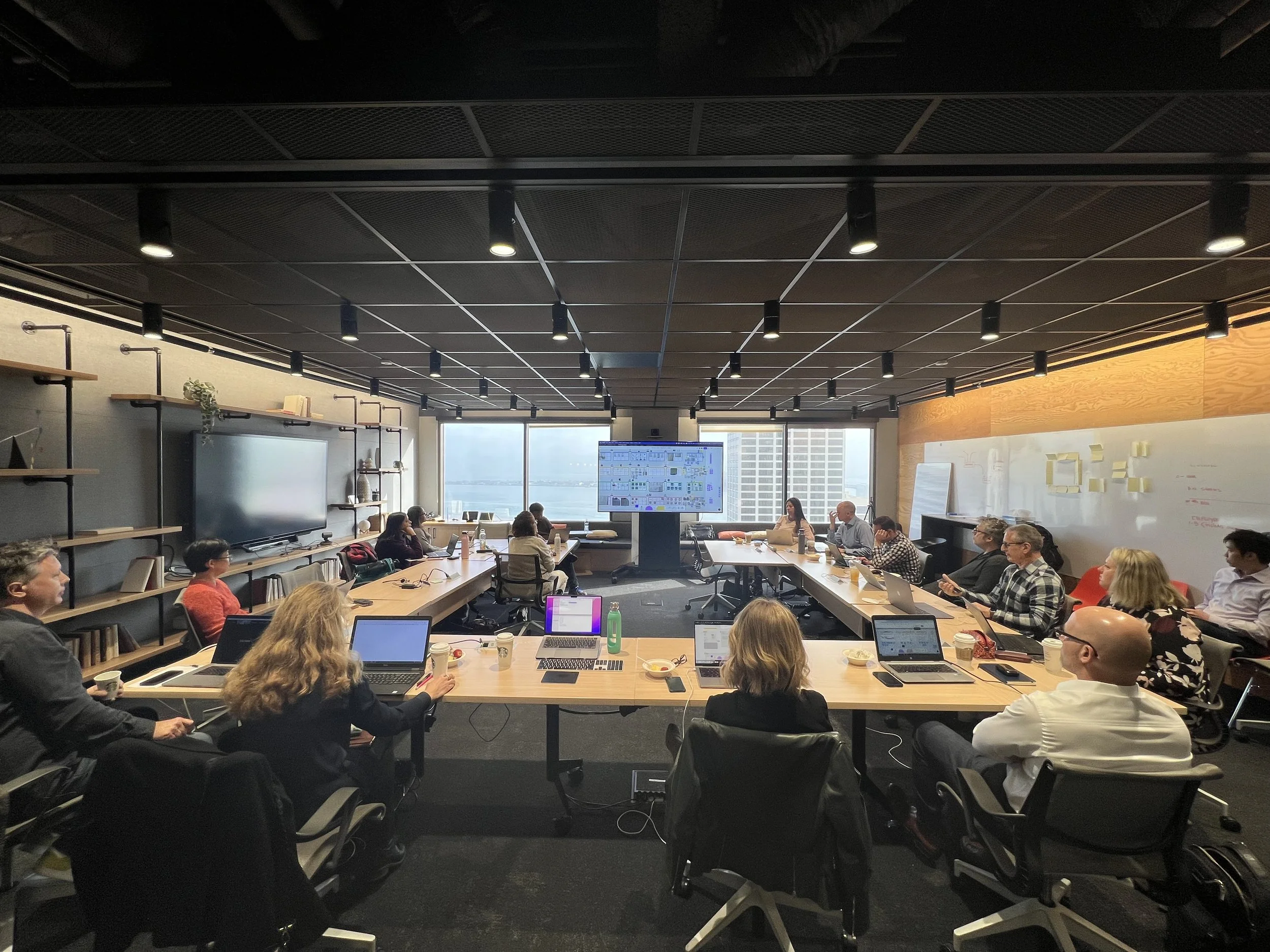
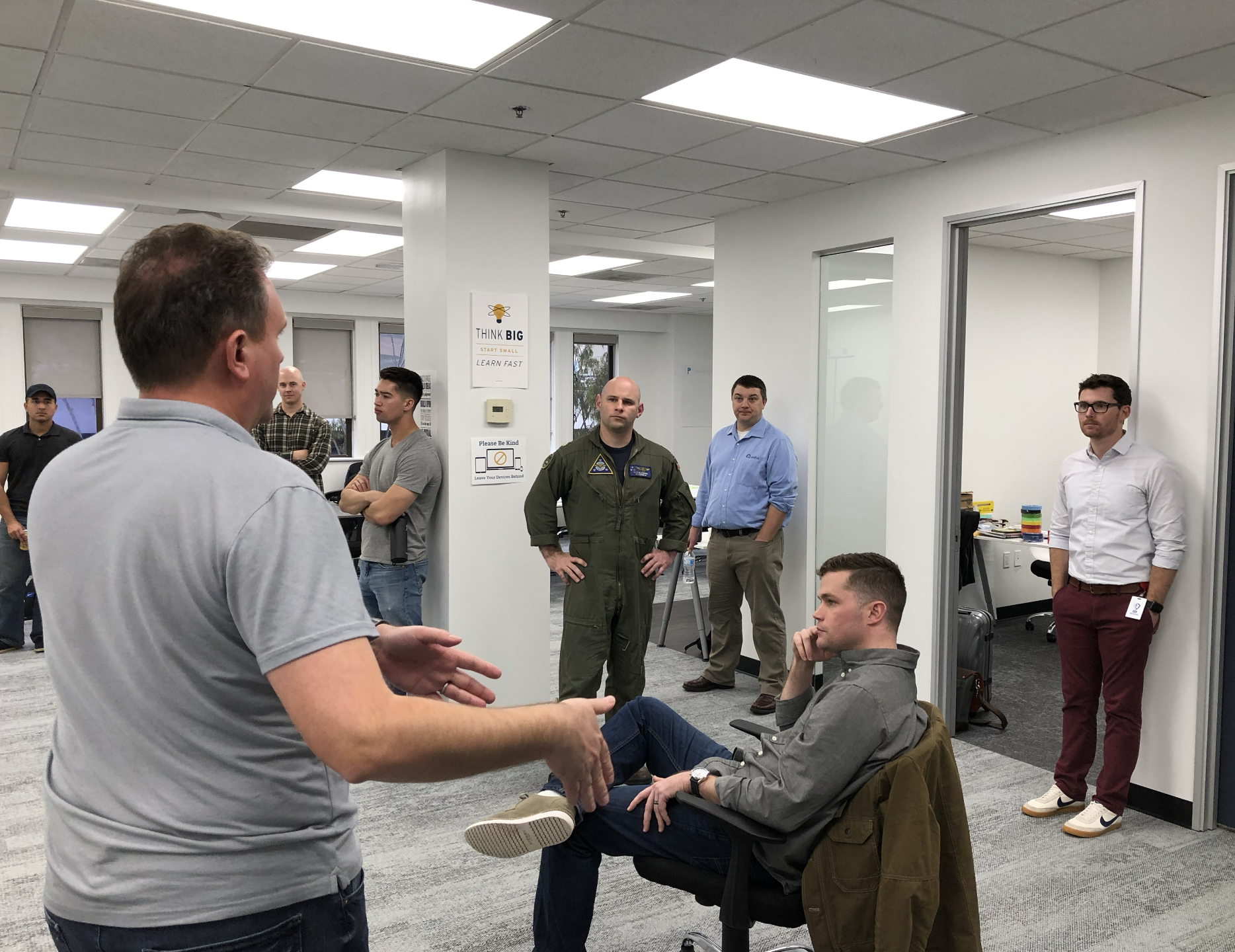
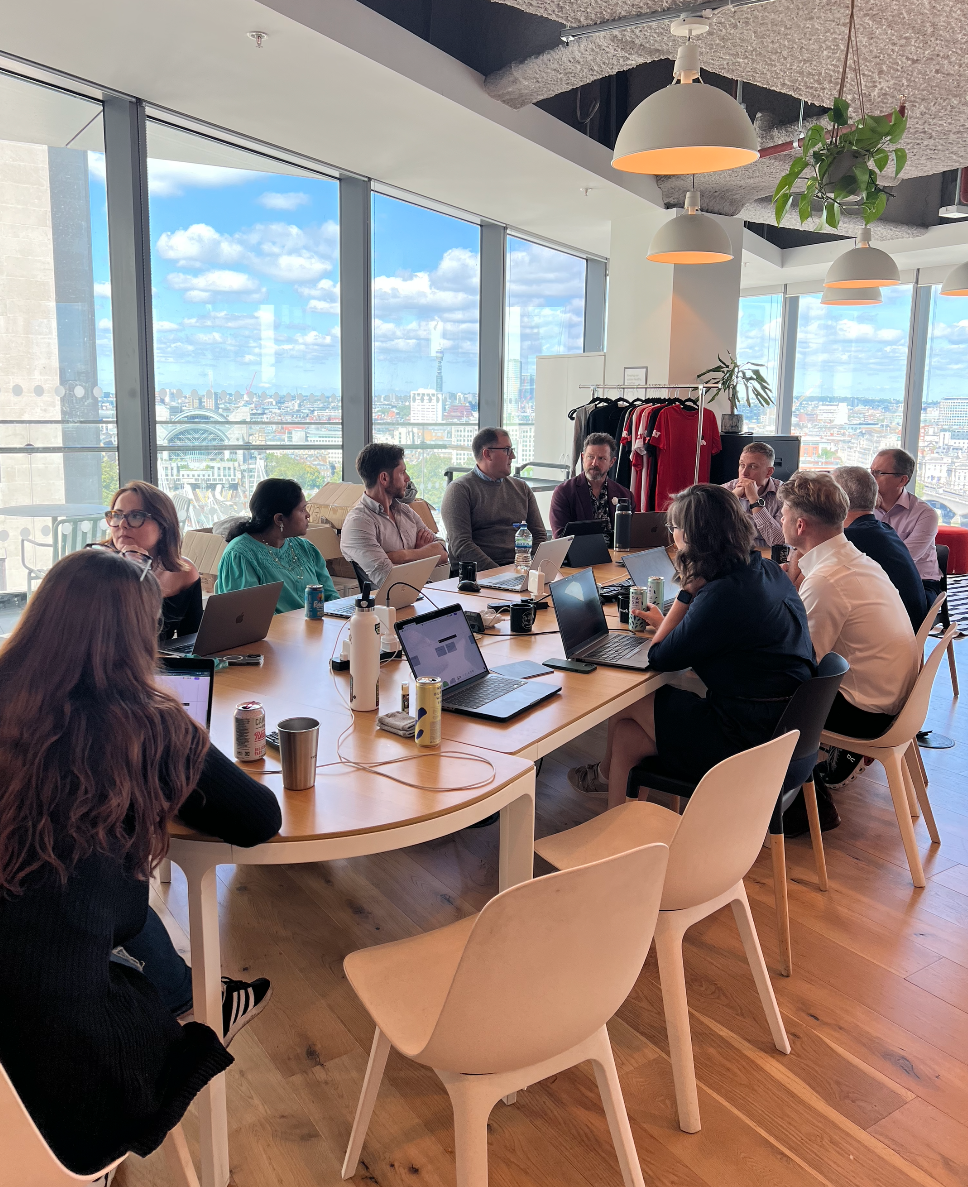
IN-PERSON ACTIVITIES
VIRTUAL ACTIVITIES